
Water Quality Testing
Biological Surveys
Perhaps the best measures for the overall health of rivers are biological. If the number and composition of the fish and insects are changing, then this suggests that the health of the river is also changing. In particular, river-fly (invertebrate larvae) are considered to be ‘indicator’ species – a decrease in the number of river-fly or a change in the composition of species of river-fly indicate that river health is decreasing.
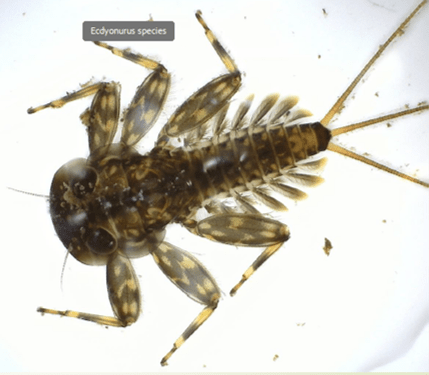
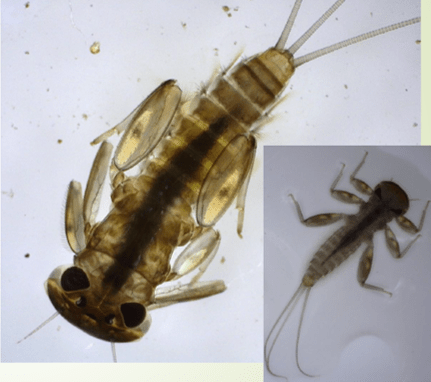
We are encouraging groups within CRAG to survey for river-fly twice a year using the kick-test methodology developed for the Anglers’ Riverfly Monitoring Imitative (https://www.riverflies.org/riverfly-monitoring-initiative-rmi), now run by the Riverfly Partnership. Our guidance document is here (hyperlink to ‘CRAG riverfly survey guidance’ in Knowledge Hub). We capture results from riverfly surveys in the ‘CRAG riverfly survey’ EpiCollect project.
We receive monthly fish count data for migratory fish from the Northumberland Rivers Trust. They have a fish counter on the Guyzance weir.
 CRAG
CRAG 